

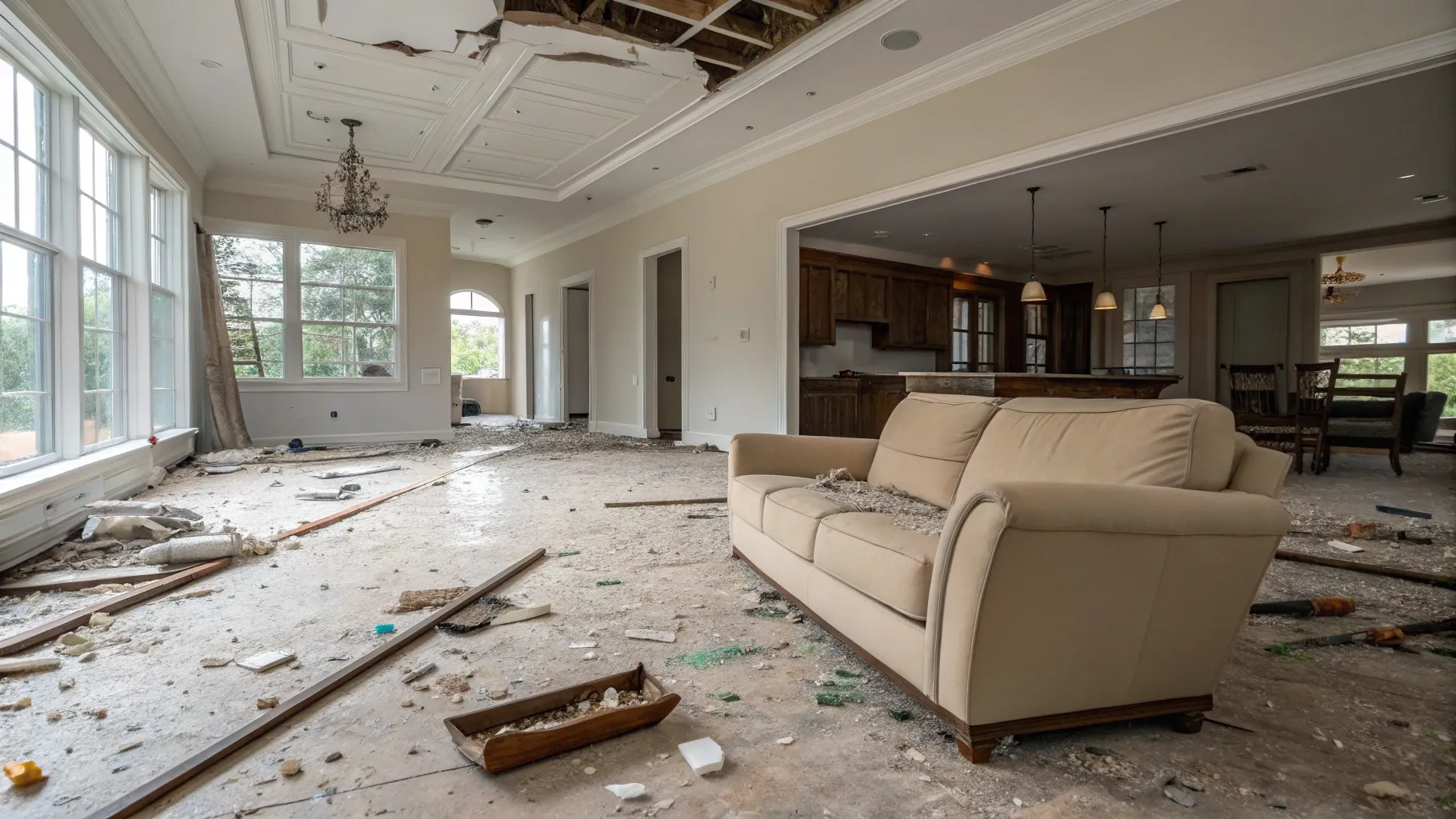
Airbnb is reexamining the way it protects hosts after a reported vandalism case left a house broken and the corporate’s chief government grappling with subsequent steps. CEO Brian Chesky described it as a private take a look at of the platform’s security commitments and the way far the corporate will go to again the individuals who record their houses.
The incident concerned visitors who vandalized a bunch’s condo, prompting Chesky to name it a “second of fact” for the corporate. The end result might form future coverage, compensation requirements, and the steadiness between development and belief on a platform that depends on each hosts and vacationers.
What Occurred and Why It Issues
The case facilities on a bunch who discovered their property broken after a keep. Whereas property injury shouldn’t be new in short-term leases, the general public focus from the CEO indicators that the corporate sees reputational danger in how such disputes are dealt with.
“I confronted a second of fact,” Chesky stated, describing his response after studying a bunch’s condo had been vandalized by visitors.
Airbnb’s enterprise runs on belief. Hosts wish to know they are going to be made entire when one thing goes improper. Visitors need truthful remedy when accused of breaking guidelines. How this case is resolved shall be watched carefully by each teams.
Security Reforms and Protections
Airbnb has rolled out a number of security measures over the previous few years. After party-related incidents, the corporate launched a world occasion ban in 2020 and made it everlasting in 2022. Airbnb has stated reviews of events fell by roughly 44% 12 months over 12 months within the U.S. after the preliminary ban.
The corporate additionally expanded host protections below its AirCover for Hosts program, which incorporates injury safety, reimbursement for misplaced earnings from cancellations linked to break, and protection for pet injury and deep cleansing in sure instances. Visitor identification verification and anti-party reservation screening instruments have additionally been added in lots of markets.
- Everlasting occasion ban and anti-party reservation filters
- AirCover for Hosts with injury safety options
- Visitor identification checks and danger screening in choose areas
Regardless of these steps, hosts nonetheless report challenges when submitting claims, corresponding to documentation hurdles, contested duty, and delays in payouts. The newest case places these ache factors again within the highlight.
Hosts, Visitors, and the Belief Hole
Hosts say injury is uncommon however pricey when it occurs. A single incident can wipe out months of earnings and create lengthy restore timelines. Some hosts argue that the claims course of can really feel opaque, particularly when injury falls into grey areas like put on and tear versus vandalism.
Visitors, alternatively, fear about being blamed with out clear proof. They need clear guidelines, constant communication, and an appeals course of that takes their aspect of the story under consideration.
Business analysts observe that short-term leases face a better variance of outcomes in contrast with inns. Completely different houses, native guidelines, and group requirements add complexity. That makes decision insurance policies and insurance-like protections a key a part of the product, not solely an add-on.
Monetary and Regulatory Pressures
The corporate additionally has to handle metropolis guidelines and neighbor considerations. Noise, events, and trash are frequent complaints in high-traffic locations. Native regulators typically press platforms to implement stricter controls, confirm listings, and share knowledge on drawback stays.
Stronger protections can elevate prices. Tighter screening could scale back bookings. But weak enforcement can hurt neighborhoods and erode host belief. The vandalism case highlights that trade-off. If Airbnb pays out rapidly, hosts really feel safe. If it investigates extra deeply, instances take longer, however could also be fairer to visitors.
What to Watch Subsequent
Chesky’s public framing of the incident suggests inside modifications might comply with. These could embrace clearer injury definitions, sooner declare timelines, and extra constant communication. Growth of identification checks and danger scoring to further areas can be doubtless.
Buyers and hosts will search for measurable outcomes. That would imply printed declare decision instances, transparency reviews on injury incidents, and updates on the impact of anti-party instruments. Cities will look ahead to fewer nuisance reviews and higher compliance with native guidelines.
For now, the CEO’s phrases set expectations excessive. Hosts need proof that protections are dependable when it issues most. Visitors need truthful course of and clear guidelines. If Airbnb can ship each, it may possibly strengthen belief throughout the platform.
The vandalism case could show to be a turning level. The corporate’s subsequent steps—the way it investigates, pays, and communicates—will present whether or not that “second of fact” results in sturdy modifications and steadier confidence from the individuals who use the service every single day.

